Cartoons
Kartoons
159 cartoon series for children and families, from 1990 to today.
Trending Now
View All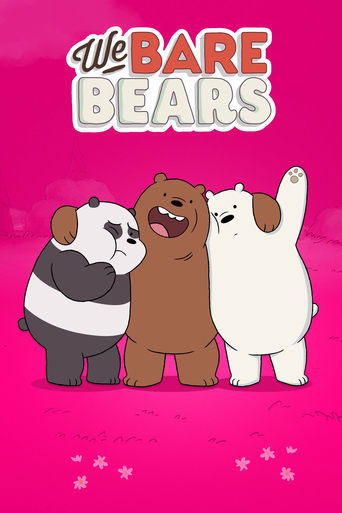 ★ 7.7
★ 7.7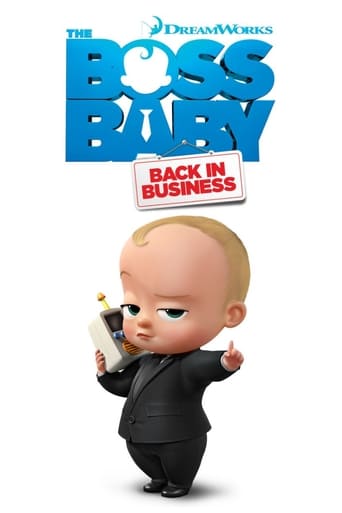 ★ 7.1
★ 7.1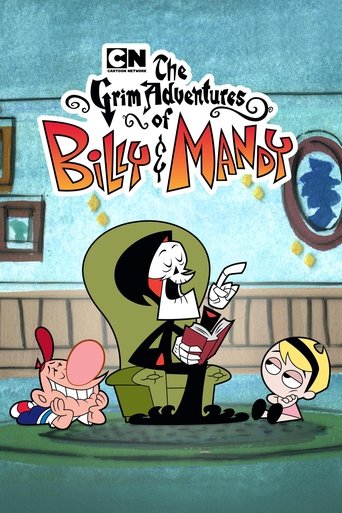 ★ 8.1
★ 8.1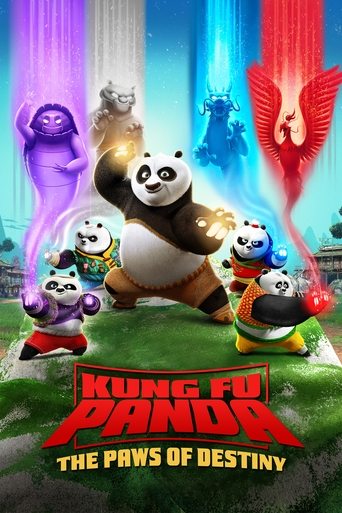 ★ 7.2
★ 7.2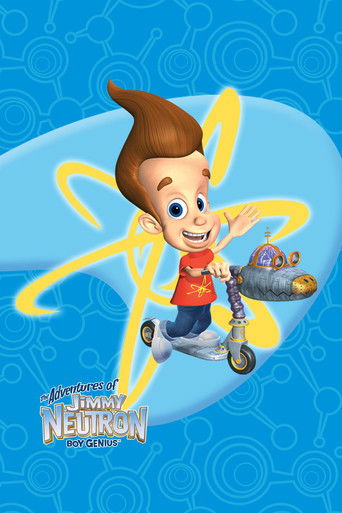 ★ 7.4
★ 7.4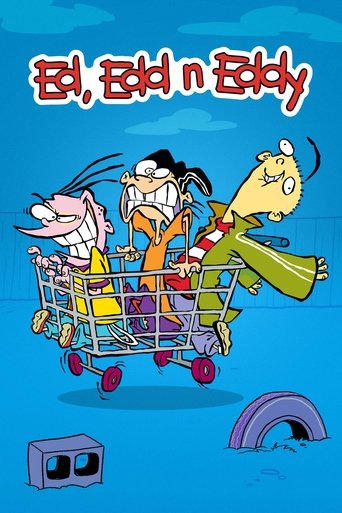 ★ 7.9
★ 7.9Recently Added
View All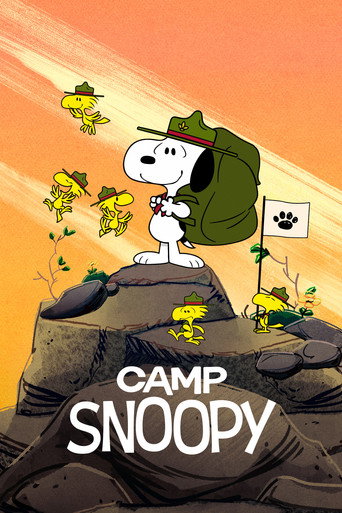 ★ 7.8
★ 7.8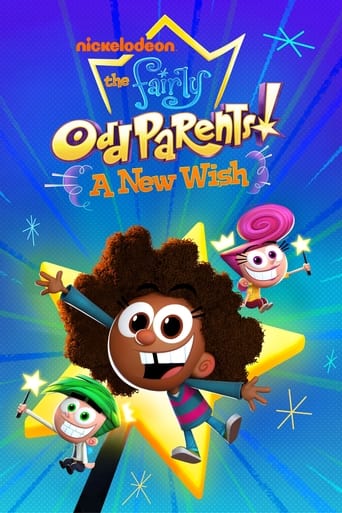 ★ 8.3
★ 8.3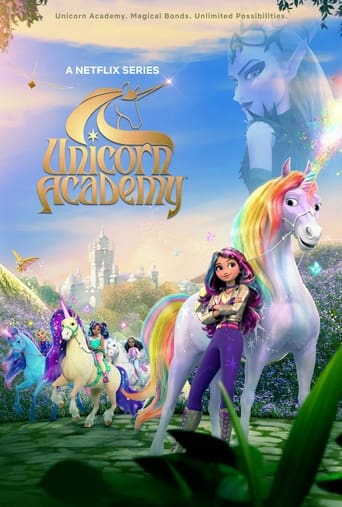 ★ 8.0
★ 8.0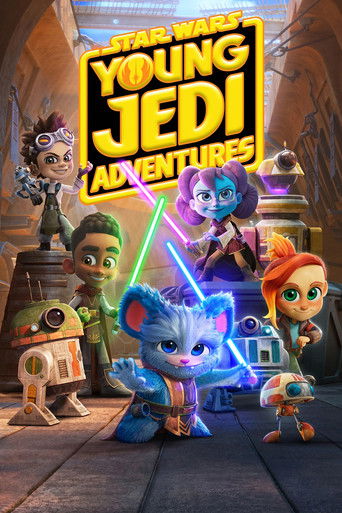 ★ 4.6
★ 4.6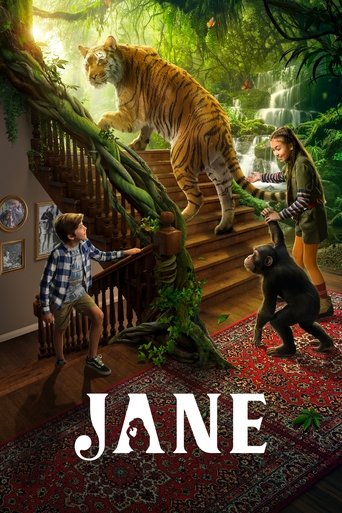 ★ 6.7
★ 6.7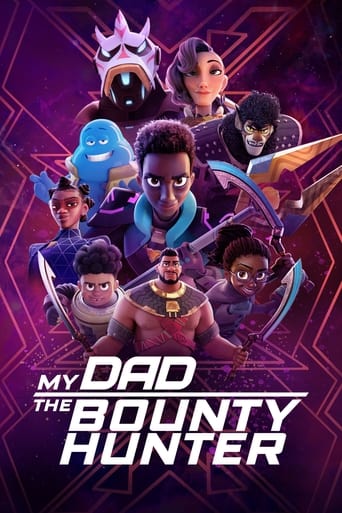 ★ 8.2
★ 8.2Highest Rated
View All ★ 8.7
★ 8.7 ★ 8.3
★ 8.3 ★ 8.2
★ 8.2 ★ 8.2
★ 8.2 ★ 8.2
★ 8.2 ★ 8.2
★ 8.2From the Movies
View All ★ 7.6
★ 7.6 ★ 7.2
★ 7.2 ★ 7.3
★ 7.3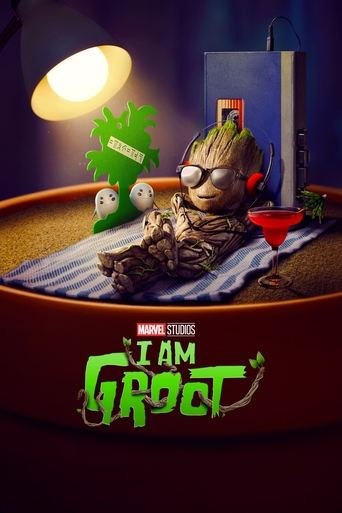 ★ 7.0
★ 7.0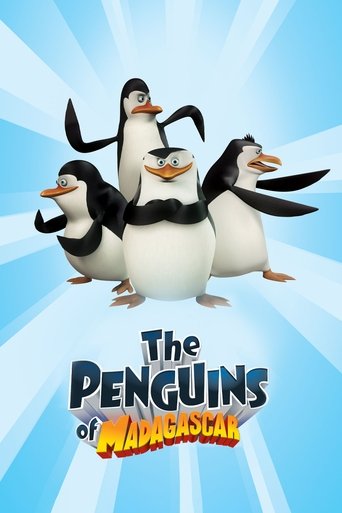 ★ 7.5
★ 7.5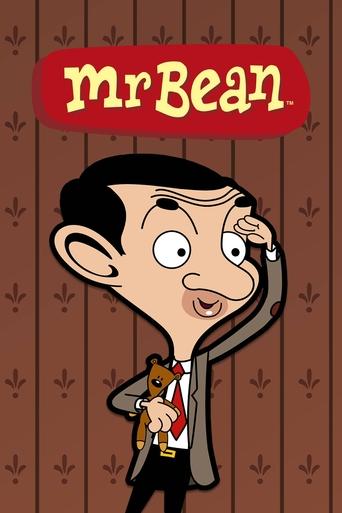 ★ 6.9
★ 6.9Collections
View AllHelp
View AllCartoons in English: the Kartoons guide
Kartoons: cartoon series in English, from We Bare Bears, Animaniacs, Ed, Edd n Eddy and Rugrats to Pinky and the Brain, Timon and Pumbaa, Shaun the Sheep and Chowder
Every generation has its own cartoons, and every generation is sure that its own were the best. Children of the 1990s remember three boys plotting to buy jawbreakers and a laboratory mouse plotting to take over the world; children of the 2000s remember a house for imaginary friends and a boy genius with a rocket in his back garden; children of today have three bears who stack themselves into a tower and walk through San Francisco. Kartoons brings those generations together. It is an English guide to 159 cartoon series for children and families, each with its own page, its story, its year, its seasons and a Watch now button that leads to the official services carrying it in your country.
The catalogue has been chosen by hand. It holds comedy cartoons made for children from 1990 to the present day by Cartoon Network, Nickelodeon, Disney, Warner Bros., DreamWorks and a group of smaller studios in Canada, Britain and France. Cartoons made for adults, action serials and programmes for the very young have their own guides elsewhere.
The sections below take the studios one at a time, then the series that grew out of films, then the animals, the schoolchildren, the heroes and the fantasies, and end with a few plans for a first week. Each section links to a short help page, and the How to watch page sums up the simple steps from a poster to the official service.
How Kartoons looks
Kartoons keeps the look of the site it is named after, a modern streaming application with a dark screen. On a wide display a slim panel runs down the left side with the name KARTOONS in blue capitals and a short menu beneath it: Home, TV Shows, Collections, A-Z, My Watchlist and Help. The page you are on is marked with a soft blue highlight. Across the top is a bar with a search field labelled Search Everything and a button for My Watchlist.
The main area opens with a wide rounded banner that carries the title of the site and three buttons, and continues with rows of poster cards: Trending Now, Recently Added, Highest Rated and From the Movies. Each card has rounded corners, a small star rating in its top corner, the name of the series, the year it began and the number of seasons. A View All button at the end of each heading opens the full collection. Below the rows, a grid of tiles lists every collection with a count in a blue pill, and a second grid lists the help pages.
The colours are those of the original: a background that is almost black, panels in slightly lighter greys, white and slate-grey text, and one bright blue for buttons, highlights and links. The lettering is Inter, a clean modern face. On a tablet or telephone the side panel folds away behind a button with three lines, the posters stand four or two to a row, and the search field stays at the top.
Cartoon Network
Cartoon Network began in 1992 as a home for old cartoons and soon started making its own. Its method was simple and generous: invite young animators to make a seven-minute short, show the shorts, and turn the favourites into series. The result was a run of creator-driven comedies, each drawn in its maker's own style, known as the Cartoon Cartoons. The Cartoon Network collection holds 20 series, and the Cartoon Network help page suggests where to begin.
Cow and Chicken, from 1997, created by David Feiss, is about a cow and a chicken who are sister and brother, their parents, who are seen only from the waist down, and a mischievous character in red who turns up in a new job every episode. Its companion, I Am Weasel, pits a brilliant, beloved weasel against a jealous baboon. 2 Stupid Dogs, from 1993, a little earlier, follows a big dog and a little dog through very simple misunderstandings, and it was among the first series to bring back the flat, bold look of 1950s cartoons.
Ed, Edd n Eddy, which began in 1999 and ran for ten years, is the longest-lived of them. Created by Danny Antonucci and drawn with a wobbling line that seems to boil, it is set in a suburban cul-de-sac during an endless summer holiday. Three friends who share a name, slow and cheerful Ed, clever and tidy Edd, known as Double D, and loud, scheming Eddy, invent one plan after another to earn money from the other children, all to buy giant sweets called jawbreakers. Adults are heard of and kept off screen; the whole world is children, and that is its charm.
The Grim Adventures of Billy and Mandy, from 2001, created by Maxwell Atoms, starts from a wager: a cheerful, dim boy and a girl who has yet to smile beat the Grim Reaper at a game, and he is obliged to be their best friend for ever. It is a spooky comedy in the spirit of an old Halloween special, played for laughs throughout. Sheep in the Big City, Time Squad, about a boy who travels through history with a robot and a policeman to put famous people back on course, and Whatever Happened to... Robot Jones?, about a robot at an ordinary school in the 1980s, are shorter-lived series from the same years with loyal admirers.
Foster's Home for Imaginary Friends, from 2004, created by Craig McCracken, imagines that imaginary friends are real, and that when children outgrow them they go to live in a grand old house until a new child adopts them. Mac, who is eight, visits his friend Bloo there every day. The designs, made with flat shapes on a computer, are among the most inventive ever seen on television. Camp Lazlo, from 2005, by Joe Murray, is set at a summer camp for animal scouts; My Gym Partner's a Monkey sends a boy to a school for zoo animals because of a spelling mistake; Hi Hi Puffy AmiYumi turns a real Japanese pop duo into cartoon heroines; and Squirrel Boy is about a boy and his talkative pet.
Chowder, from 2007, created by C. H. Greenblatt, follows a round, hungry apprentice in the kitchen of the chef Mung Daal, in a city where every name is a kind of food. Its patterns stay still while the characters move across them, and its characters know they are in a cartoon and say so. The Marvelous Misadventures of Flapjack, from 2008, by Thurop Van Orman, sends a boy raised by a whale to sea with an old captain in search of Candied Island; its storybook look and odd humour shaped a whole generation of animators who went on to make famous series of their own.
The newest are the gentlest. We Bare Bears, from 2015, created by Daniel Chong, is about three brothers, Grizzly, Panda and Ice Bear, who try to fit into human society in the San Francisco Bay Area: they queue for bubble tea, look for friends online and travel on each other's shoulders. It is funny, kind and beautifully designed, and it is the most popular series in this catalogue. We Baby Bears, from 2022, follows the three as cubs travelling in a magic box. Craig of the Creek, from 2018, by Matt Burnett and Ben Levin, is set in a patch of woodland behind a suburb where the children of the neighbourhood have built a society of their own, with trading posts, tribes and maps; it ran for six seasons and is widely admired for its warmth. OK K.O.! Let's Be Heroes is set in a shopping plaza for heroes, and The Addams Family, of 1992, is a Hanna-Barbera version of the famous household.
Nickelodeon
Nickelodeon launched its first three original cartoons on one Sunday morning in August 1991 and called them Nicktoons. Two of the three are here, and so is much of what followed. The Nickelodeon collection holds 27 series, and the Nickelodeon help page arranges them.
Doug, created by Jim Jinkins, is the diary of Doug Funnie, an eleven-year-old who has just moved to the town of Bluffington, with his dog Porkchop, his best friend Skeeter and his secret admiration for Patti Mayonnaise. Its worries are small and true: a new school, a bad haircut, a dance. Rugrats, created by Arlene Klasky, Gabor Csupo and Paul Germain, sees the world from the height of a one-year-old. Tommy Pickles, bold and bald, leads his friends Chuckie, Phil and Lil on expeditions across the living room while his cousin Angelica, who is three, tells them tall stories. It ran for nine seasons and 322 episodes and was the most popular children's programme of the 1990s. Rugrats, from 2021, is a new version made with computer animation.
The Klasky Csupo studio, with its scratchy, colourful house style, made several more. Aaahh!!! Real Monsters, from 1994, follows three young monsters at a school under the city dump where they learn to scare people, and are terrible at it. The Wild Thornberrys, from 1998, is about a family who travel the world making nature films, and Eliza, the younger daughter, who can secretly talk to animals. Rocket Power, from 1999, is about four friends who surf, skate and play street hockey in a Californian beach town, and As Told by Ginger, from 2000, follows a girl through the social maze of middle school; unusually for a cartoon, its characters grow older and change their clothes.
Rocko's Modern Life, from 1993, created by Joe Murray, is about a wallaby from Australia who has moved to O-Town and finds everyday life, the laundry, the supermarket, a job, a constant adventure, with his friends Heffer, a steer raised by wolves, and Filburt, a nervous turtle. Oh Yeah! Cartoons, from 1998, is an anthology of shorts by young animators, and three later series were born in it. Two of them are here: ChalkZone, about a boy with a piece of magic chalk who can enter the world behind the blackboard where everything that was ever rubbed out still lives, and My Life as a Teenage Robot, from 2002, about XJ-9, a powerful robot built to protect the Earth who would much prefer to be an ordinary girl called Jenny, drawn in a stylish art-deco manner. The Fairly OddParents: A New Wish, from 2024, continues the third.
The Adventures of Jimmy Neutron: Boy Genius, from 2002, was the first Nicktoon made with computer animation. Jimmy has a huge brain, a swirl of hair, a robot dog called Goddard and a laboratory under his clubhouse, and his inventions usually cause the trouble they were meant to solve. His friend Sheen later had a series of his own, Planet Sheen. El Tigre: The Adventures of Manny Rivera, from 2007, created by Jorge Gutierrez and Sandra Equihua, is a bright comedy steeped in Mexican popular art about a boy whose father is a hero and whose grandfather is a villain. The Mighty B!, co-created by Amy Poehler, is about a girl scout determined to earn every badge; Catscratch is about three cats who inherit a fortune; and Back at the Barnyard continues a film about farm animals who walk upright when the farmer is away.
Among later series, T.U.F.F. Puppy and Fanboy and Chum Chum are loud and silly in the best way, Sanjay and Craig is about a boy and his talking snake, Breadwinners about two ducks who deliver bread in a rocket van, and Harvey Beaks, from 2015, by C. H. Greenblatt, is a soft-hearted series about a well-behaved young bird and his two wild friends. The Casagrandes, from 2019, follows Ronnie Anne, who moves to the city to live with her large Mexican-American family above the corner shop they run. Nickelodeon also showed The Penguins of Madagascar and Kung Fu Panda: Legends of Awesomeness, which are described with the DreamWorks series below.
Disney
Disney began making cartoons for weekday afternoons in the middle of the 1980s, and by the 1990s it had a daily block and a Saturday morning line-up of its own. The Disney collection holds 29 series, and the Disney help page picks a few.
Several gave the classic characters new lives. In Goof Troop, from 1992, Goofy is a single father raising his son Max next door to Pete and his family; it led to two feature films. Quack Pack, from 1996, makes Huey, Dewey and Louie teenagers and Donald a television cameraman. Bonkers, from 1993, is about a cartoon bobcat who joins the police force of Hollywood. In Disney's House of Mouse, from 2001, Mickey runs a dinner theatre where every Disney character ever drawn sits in the audience, and classic and new shorts are shown on stage. The Wonderful World of Mickey Mouse, from 2020, and Chip 'n' Dale: Park Life, from 2021, a French-made series told purely in pictures and sounds, are the newest.
The school comedies are the heart of the collection. Recess, from 1997, created by Paul Germain and Joe Ansolabehere, treats the playground of Third Street School as a complete society, with a king, laws, a secret police of one, and six friends led by T. J. Detweiler who defend the freedom of the other children. It is clever enough for adults and has aged very little. Pepper Ann, from the same year, created by Sue Rose, is about a twelve-year-old with red hair, a vivid imagination and a habit of talking herself into trouble. The Weekenders, from 2000, follows four friends through each Saturday and Sunday, and Lloyd in Space sets the same kind of story on a space station. The Proud Family, from 2001, created by Bruce W. Smith, is about Penny Proud, a fourteen-year-old with an over-protective father who makes snacks for a living, a calm mother and a grandmother who wrestles.
The films of the studio supplied more. Aladdin, from 1994, continues the story of the film across 86 episodes, with adventures in Agrabah and beyond. Timon and Pumbaa, from 1995, takes the meerkat and the warthog of The Lion King around the world in short comedies. 101 Dalmatians: The Series and 101 Dalmatian Street, set in modern London, Buzz Lightyear of Star Command, The Emperor's New School, in which the vain young emperor must finish his education, The Lion Guard, Rapunzel's Tangled Adventure and The 7D, a comic version of the seven dwarfs, complete the list.
Other Disney series stand on their own. Kick Buttowski: Suburban Daredevil, from 2010, is about a small boy in a white helmet who treats his quiet street as a stunt arena. Fish Hooks is set in the tanks of a pet shop, with photographs for backgrounds. Dave the Barbarian, Yin Yang Yo!, about twin rabbits learning a martial art from a grumpy panda, American Dragon: Jake Long, about a New York schoolboy who can turn into a dragon, Milo Murphy's Law, about a boy for whom everything that can go wrong does and who is always prepared, and The Ghost and Molly McGee, from 2021, about a relentlessly cheerful girl and the grumpy ghost who is stuck with her, are all worth an evening. Elena of Avalor is about a young crown princess learning to rule, and Star Wars: Young Jedi Adventures is a gentle introduction to that galaxy for younger viewers.
Warner Bros.
In 1990 the film director Steven Spielberg joined Warner Bros. to bring back the fast, musical, anything-goes spirit of the old Looney Tunes. The series that followed were written for children and adults at once, with full orchestras and jokes on three levels. The Warner Bros. collection holds 18 series, and the Warner Bros. help page introduces them.
Tiny Toon Adventures, from 1990, came first. Its heroes, Buster and Babs Bunny, Plucky Duck and Hamton Pig, are students at Acme Looniversity, where Bugs Bunny and Daffy Duck are the teachers. Animaniacs, from 1993, was bigger still. Yakko, Wakko and Dot, the Warner brothers and the Warner sister, were supposedly drawn in 1930, found too zany for the screen and locked in the studio water tower, from which they escape every episode. The programme is a variety show: sketches, parodies and songs, among them a list of every country in the world and another of every American state capital. It won eight Emmy awards.
The most successful sketch became a series. In Pinky and the Brain, from 1995, two laboratory mice whose genes have been altered spend each night trying to take over the world. The Brain is a genius with an enormous head and the voice of a great film actor; Pinky is tall, cheerful and foolish, and his nonsense often contains the idea that would have made the plan work. Each episode ends as it began, with the Brain announcing what they will do tomorrow night. Pinky, Elmyra & The Brain is a later sequel. Freakazoid!, also from 1995, is a parody of superheroes in which a teenager who has absorbed the whole internet becomes a blue-skinned hero with little attention for the task in hand.
Duck Dodgers, from 2003, expands a famous short of 1953 into a space comedy with Daffy Duck as a vain captain and Porky Pig as his capable cadet. ¡Mucha Lucha!, from 2002, the first television series made entirely with Flash animation, is set in a town where everybody wears a wrestling mask and has a signature move. Krypto the Superdog is about Superman's pet, Johnny Test about a boy whose genius sisters use him to test their inventions, and The Spooktacular New Adventures of Casper about the friendly ghost and his three uncles. More recent are Unikitty!, DC Super Hero Girls, in which the young heroines of the comics attend the same school, ThunderCats Roar, Bunnicula, Batwheels, Yabba-Dabba Dinosaurs, with the children of the Flintstones, and Green Eggs and Ham, from 2019, a handsome hand-drawn road story spun from the book by Dr. Seuss.
DreamWorks
DreamWorks has made a habit of following its films with television series, and they are better than such series usually are. The DreamWorks collection holds 13 of them, and the DreamWorks help page lists them by film.
The Penguins of Madagascar, from 2008, is the best loved. Skipper, Kowalski, Rico and Private run military operations from their enclosure in the zoo of Central Park, usually against the wishes of their neighbour King Julien, the lemur. It ran for 149 episodes. All Hail King Julien, from 2014, goes back to Madagascar before the films to show how Julien became king, and it won several Emmy awards; All Hail King Julien: Exiled continues it. Madagascar: A Little Wild shows the lion, the zebra, the giraffe and the hippo as youngsters in New York.
Three series follow Po the panda. Kung Fu Panda: Legends of Awesomeness, from 2011, is set between the first two films, with Po and the Furious Five defending the Valley of Peace in 80 episodes. Kung Fu Panda: The Paws of Destiny, from 2018, gives him four young panda pupils who have absorbed the power of ancient masters, and Kung Fu Panda: The Dragon Knight, from 2022, sends him across the world with an English knight who is a bear.
Dawn of the Croods, from 2015, drawn by hand, shows the cave family before the film, and The Croods: Family Tree, from 2021, continues after the second film, with two very different families sharing one enormous tree house. The Boss Baby: Back in Business, from 2018, and The Boss Baby: Back in the Crib, from 2022, return to the baby in a suit and the corporation that protects the place of babies in the world's affections. The Adventures of Puss in Boots, from 2015, sets the swordsman cat to guard a hidden town, and Turbo FAST follows a snail who races.
From the movies
The From the movies collection gathers 46 series that continue a film or a famous character, from every studio, and the From the movies help page arranges them. Besides the Disney and DreamWorks series described above, it holds a number of smaller pleasures.
Some are very short. I Am Groot, from 2022, is a set of five-minute adventures of the small tree from the Guardians of the Galaxy films, and each one is a neat silent comedy. Ice Age: Scrat Tales, from the same year, gives the squirrel of the Ice Age films a baby to look after and an acorn to share, in six episodes, and was the last work of the Blue Sky studio. Cars on the Road sends Lightning McQueen and Mater on a road trip in nine episodes, each in a different style of film.
Others run long. Mr. Bean: The Animated Series, from 2002, turns Rowan Atkinson's almost wordless character into a cartoon, with the actor himself providing the mumbles; it has 182 episodes and travels across every language border. The Garfield Show, made in France from 2009, has 203. Alvinnn!!! and The Chipmunks, from 2015, has 259, with a new song in each. Hotel Transylvania: The Series, Cloudy with a Chance of Meatballs, George of the Jungle, Ace Ventura: Pet Detective, Monster High and I Heart Arlo also grew out of films, and The Adventures of Super Mario Bros. 3, from 1990, grew out of a video game.
The Peanuts series are a special case, since Charlie Brown and Snoopy began in a newspaper strip. Snoopy in Space: The Search for Life, from 2019, made with advice from the American space agency, sends the beagle to the Moon and beyond, and Camp Snoopy, from 2024, sends him and his troop of birds to summer camp. Both keep the gentle line of Charles Schulz.
Animals
Cartoons have been about animals since the beginning, and the Animals collection, with 61 series, is one of the largest here. The Animals help page sorts them into farm, forest and home.
Shaun the Sheep, from 2007, is the masterpiece. Made by Aardman in Bristol with clay figures moved by hand, frame by frame, it follows a clever sheep, his flock, the long-suffering sheepdog Bitzer and a farmer who is blind to everything that goes on. There is neither dialogue nor narration, only bleats, grunts and music, so that it is understood in every country, and each seven-minute episode is a small, perfect silent comedy. It has 170 episodes and has led to two feature films.
The Animals of Farthing Wood, from 1993, a European co-production based on the books by Colin Dann, is quite different: a serious adventure in which a fox, a badger, a toad, an owl and their companions leave their ruined wood and travel across country to a nature reserve, bound by an oath to protect one another. It was shown across the continent and is remembered with great affection. Rupert, from 1991, a Canadian series, adapts the British picture stories about a small bear in a red jumper and yellow checked trousers.
Pets fill a shelf of their own: The Garfield Show, Kid vs. Kat, about a boy who is sure that his sister's hairless cat is a visitor from space, Krypto the Superdog, Eek! The Cat, about a purple cat whose kindness always lands him in trouble, Talking Tom and Friends, Sharkdog, Dogs in Space and The New Woody Woodpecker Show. The ponies of My Little Pony: Friendship Is Magic and My Little Pony: Make Your Mark belong here too, and so do the bears, penguins, lemurs, meerkats and pandas already described.
School and friends
The School and friends collection holds 70 series about classrooms, playgrounds and neighbourhoods, and the School and friends help page picks from them.
Arthur, which began in 1996 and ran for 25 seasons, is the longest-running animated series for children in American television. Based on the books by Marc Brown, it follows an eight-year-old aardvark in glasses, his little sister D.W., his friends Buster, Francine and the Brain, and their teacher Mr. Ratburn through the ordinary problems of the third grade: a lost library book, a new baby, a friend who moves away. It respects its viewers and it is quietly very funny. Postcards from Buster sends Arthur's friend around North America with a video camera to meet real children.
The Magic School Bus, from 1994, based on the books by Joanna Cole and Bruce Degen, is the most enjoyable science lesson ever broadcast. Ms. Frizzle, a teacher with wild red hair and a dress to match every subject, takes her class on field trips in a bus that can shrink, fly and dive: inside the human body, to the bottom of the sea, to the planets. Jane, from 2023, made with the institute of the scientist Jane Goodall, follows a nine-year-old who imagines her way into the lives of wild animals in order to protect them.
Bobby's World, from 1990, created by the comedian Howie Mandel, shows life through the imagination of a four-year-old. Life with Louie, from 1995, is drawn from the childhood of the comedian Louie Anderson in a large family in Wisconsin, and it is tender as well as funny. Angela Anaconda, made from cut-out photographs, What's with Andy?, about a boy who considers himself the greatest prankster in the world, The Cramp Twins, The Replacements, in which two orphans can telephone a company to replace any adult they choose, Total DramaRama and Karma’s World are other views of childhood. Barbie: Dreamhouse Adventures, Barbie: It Takes Two and LEGO Friends: The Power of Friendship are bright series about groups of friends.
Heroes and adventure
The Heroes and adventure collection holds 46 series, and the Heroes and adventure help page describes them. These are comic adventures; the heroes are funny first and brave second.
The Tick, from 1994, based on the comic by Ben Edlund, is the finest of the parodies: a huge, blue, nearly indestructible hero of great enthusiasm and small understanding, who protects The City with his accountant sidekick, Arthur, dressed as a moth. Freakazoid! has been mentioned. Xiaolin Showdown, from 2003, follows four young monks in training who compete with their rivals for magical objects, each contest becoming a duel in a transformed landscape. Pucca, from 2006, based on Korean characters and made in Canada, is about a noodle-shop owner's niece who is in love with a serious young ninja and pursues him with a smile through every episode, while both stay silent.
Robotboy, Samurai Rabbit: The Usagi Chronicles, LEGO Nexo Knights, LEGO Star Wars: The Freemaker Adventures, about a family of scrap dealers in a galaxy far away, Mad Jack the Pirate, Centaurworld, a musical in which a serious horse lands in a land of singing centaurs, and My Dad the Bounty Hunter, from 2023, in which two children discover what their father really does for a living by stowing away on his spaceship, are further choices.
Fantasy and space
The Fantasy and space collection holds 46 series, and the Fantasy and space help page divides them into magic and science.
My Little Pony: Friendship Is Magic, from 2010, developed by Lauren Faust, surprised everyone. Made to accompany a line of toys, it turned out to be a witty, well-plotted fantasy about a studious unicorn, Twilight Sparkle, who is sent to the town of Ponyville to learn about friendship and gathers five friends as different from each other as can be. It ran for nine seasons and 221 episodes and won admirers of all ages. Mia and Me, a European series that mixes live action with animation, sends a schoolgirl into a land of elves and unicorns, and Unicorn Academy, from 2023, is set at a boarding school where each pupil is paired with a unicorn.
Space has its comedies: Lloyd in Space, Buzz Lightyear of Star Command, Duck Dodgers, Dogs in Space, in which dogs with enhanced brains search the galaxy for a new home for their owners, and Alien TV, in which a crew of alien reporters tries to make sense of ordinary human objects. Robots are represented by My Life as a Teenage Robot, Robotboy and Whatever Happened to... Robot Jones?.
Cartoons from other countries
Although the catalogue is in English, a good part of it was made outside the United States. Canada is the largest contributor. The Vancouver studio once called Studio B made Kid vs. Kat, Pucca, George of the Jungle and the first seasons of My Little Pony: Friendship Is Magic; other Canadian studios made Johnny Test, Johnny Test, its revival of 2021, Total DramaRama, What's with Andy?, Angela Anaconda, Rupert and Arthur.
Britain sent Shaun the Sheep, Mr. Bean: The Animated Series, The Cramp Twins and Robotboy, which was designed in France and made for British and French television. France also made The Garfield Show and Alvinnn!!! and The Chipmunks; Germany and Italy made Mia and Me; and The Animals of Farthing Wood was paid for by the public broadcasters of nineteen European countries together. Talking Tom and Friends began as a telephone application made in Slovenia, and Alien TV comes from Australia.
Family viewing
The Family collection holds 76 series that work for several ages at once, and the Family help page suggests a few. The safest choices for a room that holds a five-year-old, a twelve-year-old and two adults are the series with few or zero spoken words, Shaun the Sheep, Mr. Bean: The Animated Series, Pucca, I Am Groot and Chip 'n' Dale: Park Life, and the series written on two levels, Animaniacs, Pinky and the Brain and Recess.
A rough guide to ages may help. For children of five to seven: Arthur, The Magic School Bus, Camp Snoopy, The Lion Guard, We Baby Bears and Madagascar: A Little Wild. For eight to ten: We Bare Bears, Craig of the Creek, The Penguins of Madagascar, Foster's Home for Imaginary Friends, The Adventures of Jimmy Neutron: Boy Genius and The Proud Family. For eleven and over: As Told by Ginger, The Weekenders, Freakazoid!, The Tick and Rocko's Modern Life, whose humour is aimed a little higher. The spooky comedies, The Grim Adventures of Billy and Mandy, Aaahh!!! Real Monsters, The Addams Family and Bunnicula, are meant to amuse, and a parent who knows the child will judge best.
Decade by decade
Four collections arrange the catalogue by the year in which each series began, and the Decade by decade help page describes them. The 1990s holds 39 series: Tiny Toon Adventures, Doug, Rugrats, Animaniacs, Rocko's Modern Life, Pinky and the Brain, Recess, Cow and Chicken and Ed, Edd n Eddy. It was the decade in which three channels for children competed for the first time, and the competition was good for cartoons.
The 2000s is the largest, with 47: The Proud Family, The Grim Adventures of Billy and Mandy, My Life as a Teenage Robot, Foster's Home for Imaginary Friends, Camp Lazlo, Chowder, Shaun the Sheep and The Penguins of Madagascar. Drawing moved from paper to the computer in these years, and Flash animation made small productions possible.
The 2010s holds 41: My Little Pony: Friendship Is Magic, Kick Buttowski: Suburban Daredevil, All Hail King Julien, We Bare Bears, Harvey Beaks, Milo Murphy's Law and Craig of the Creek. The 2020s holds 32, most of them made for streaming services: The Croods: Family Tree, Centaurworld, I Am Groot, We Baby Bears, Unicorn Academy, Jane and Camp Snoopy.
The Highest rated collection gathers the 61 series rated 7.5 or more out of ten by at least twenty viewers. Ratings for children's cartoons are given mostly by grown-ups remembering their own favourites, so the older series do well; the Trending Now row on the home page, ordered by the number of votes, is a useful second opinion.
Finding a series
There are several ways to find a series on Kartoons, and the Finding titles help page describes each one. The Search Everything field in the top bar accepts a name and shows matching series as you type. The A to Z page lists all 159 in alphabetical order, the TV Shows page lists them by popularity, and the Collections page lists every collection with its count.
A few names need care. Two series are called Rugrats and two are called Johnny Test; the year on each card tells the original from the revival. Titles that begin with The are filed under the next word in the A to Z, punctuation is ignored by the search, so that Aaahh Real Monsters and Mucha Lucha will be found whether you type or skip their exclamation marks, and a single distinctive word, such as Flapjack or Thornberrys, is usually enough.
What a title page shows
Every series has a page of its own. At the top are the poster, the title, the year it began, the number of seasons and episodes, and the rating from viewers around the world. Below come the story, the genres, the creators and the studios, and a row of related series from the same collections. The Watch now button opens a list of the official services that carry the series in your country.
Cartoons are well looked after by the official services. Each of the large studios now has a streaming service of its own, where most of its library can be found; the general services license many of the independent series; and several rights holders run free official channels for older programmes. A long-running series may be divided between services by season, and some are sold as complete sets to buy. Availability changes from month to month, so the list on each title page is the place to look. Many services offer the same cartoon with several soundtracks, Hindi, Tamil, Telugu and others among them, which can be chosen in the player.
The Add to My List button on a title page saves a series for another day. The watchlist is stored by the browser on your own device, with neither registration nor a password, and it is reached from My Watchlist in the side menu or the top bar. The My Watchlist help page explains how to clear a series from it and how to copy it to a second device.
A first week
Here is a week of evenings for a family that is new to the catalogue. On Monday, three episodes of Shaun the Sheep, twenty minutes in all. On Tuesday, We Bare Bears. On Wednesday, Animaniacs, for the songs. On Thursday, Recess. On Friday, The Penguins of Madagascar. On Saturday morning, as tradition demands, Ed, Edd n Eddy and Pinky and the Brain, and on Sunday, The Magic School Bus, so that the week ends with something learned.
A second week could go by studio: Foster's Home for Imaginary Friends for Cartoon Network, Rugrats for Nickelodeon, Goof Troop for Disney, Tiny Toon Adventures for Warner Bros., Kung Fu Panda: Legends of Awesomeness for DreamWorks, Arthur for the public channels and Mr. Bean: The Animated Series for Britain. A third could be given to the newest: Craig of the Creek, Green Eggs and Ham, The Ghost and Molly McGee, Camp Snoopy, Jane, I Am Groot and My Dad the Bounty Hunter.
Parents who grew up in the 1990s may enjoy a different exercise: choose the cartoon you loved most at the age of nine and watch one episode with a child of nine. Doug, Rocko's Modern Life, Timon and Pumbaa, Aladdin, Cow and Chicken and The Wild Thornberrys have all survived the years well, and the conversation afterwards is usually better than the episode.
The people behind the cartoons
One pleasure of this catalogue is following the people who made it from series to series. Joe Murray created Rocko's Modern Life for Nickelodeon and, twelve years later, Camp Lazlo for Cartoon Network. C. H. Greenblatt made Chowder and then Harvey Beaks. Paul Germain helped to create Rugrats and then Recess and Lloyd in Space with Joe Ansolabehere. Craig McCracken, who made Foster's Home for Imaginary Friends, and Jorge Gutierrez, who made El Tigre: The Adventures of Manny Rivera, went on to direct feature films.
The voices travel too. Tom Kenny, Tara Strong, Rob Paulsen, Grey DeLisle, Jim Cummings and Frank Welker can be heard in dozens of the series listed here, often in several parts within one episode; Rob Paulsen alone is Yakko in Animaniacs and Pinky in Pinky and the Brain. The creators and studios are named on every title page, and following a favourite name is a reliable way to find the next series.
How the catalogue is kept
A series joins Kartoons only after a person has looked at it. Its story, its age rating and its reputation are read first; cartoons written for adults are set aside, and so are action serials whose fighting is meant in earnest. The descriptions are short and plain, the years, seasons and episode counts are matched against the public databases, and the posters are the official ones. The rows on the home page and the counts on the collection tiles are rebuilt each time the catalogue is refreshed.
Kartoons is a guide. It holds neither episodes nor downloads; the Watch now button opens an official, licensed service, so the animators, writers and actors are paid when you watch.
Questions and answers
Questions
What is Kartoons?
Kartoons is an English guide to 159 cartoon series for children and families. Each series has a page with its story, year, seasons and makers, and a Watch now button that leads to the official services carrying it in your country.
Which cartoons should I watch first?
Start with Shaun the Sheep, We Bare Bears, Animaniacs, Recess, The Penguins of Madagascar and Ed, Edd n Eddy. The first-week plan in the guide suggests many more.
Is the catalogue suitable for children?
Yes. Every series was made for children and is chosen by hand. The guide also suggests series for different ages.
Which studios are covered?
Cartoon Network, Nickelodeon, Disney, Warner Bros. and DreamWorks each have a collection, and there are series from Canada, Britain, France and other countries.
Are there cartoons from the 1990s?
Yes. The 1990s collection holds 39 series, among them Rugrats, Doug, Animaniacs, Pinky and the Brain, Recess and Cow and Chicken.
Can I watch in Hindi?
Many official services offer these cartoons with Hindi and other Indian soundtracks. The services listed on each title page show the languages they provide.
How does My Watchlist work?
Press Add to My List on the page of any series. The list is kept by your own browser, free of charge, and My Watchlist in the side menu opens it.
Does Kartoons host episodes or downloads?
Kartoons is a guide only. Every Watch now button leads to an official, licensed service.
